Growth through Creativity, Technology, and Application
When I entered the Honors Program at Indiana University Indianapolis, I saw myself primarily as a creative person. My early intention statements focused on expressing creativity through music, video, and storytelling. At that stage, creativity was something I valued, but I had not yet developed the structure, technical skill, or real-world application needed to support it. Over the course of my school and honors experience, that perspective changed a lot. Through honors contracts, research projects, and applied technical work, I developed into a music technologist and audio engineer who combines creativity with structured problem-solving and system design.
This progression is also shown in my Showcase Artifact 1, where my original intention statements focused on creativity as a general identity, while my updated statement shows a more defined and professional direction. I now approach creativity as something that must be supported by planning, technical execution and real-world application. This change shows the foundation of my growth through these last four years.
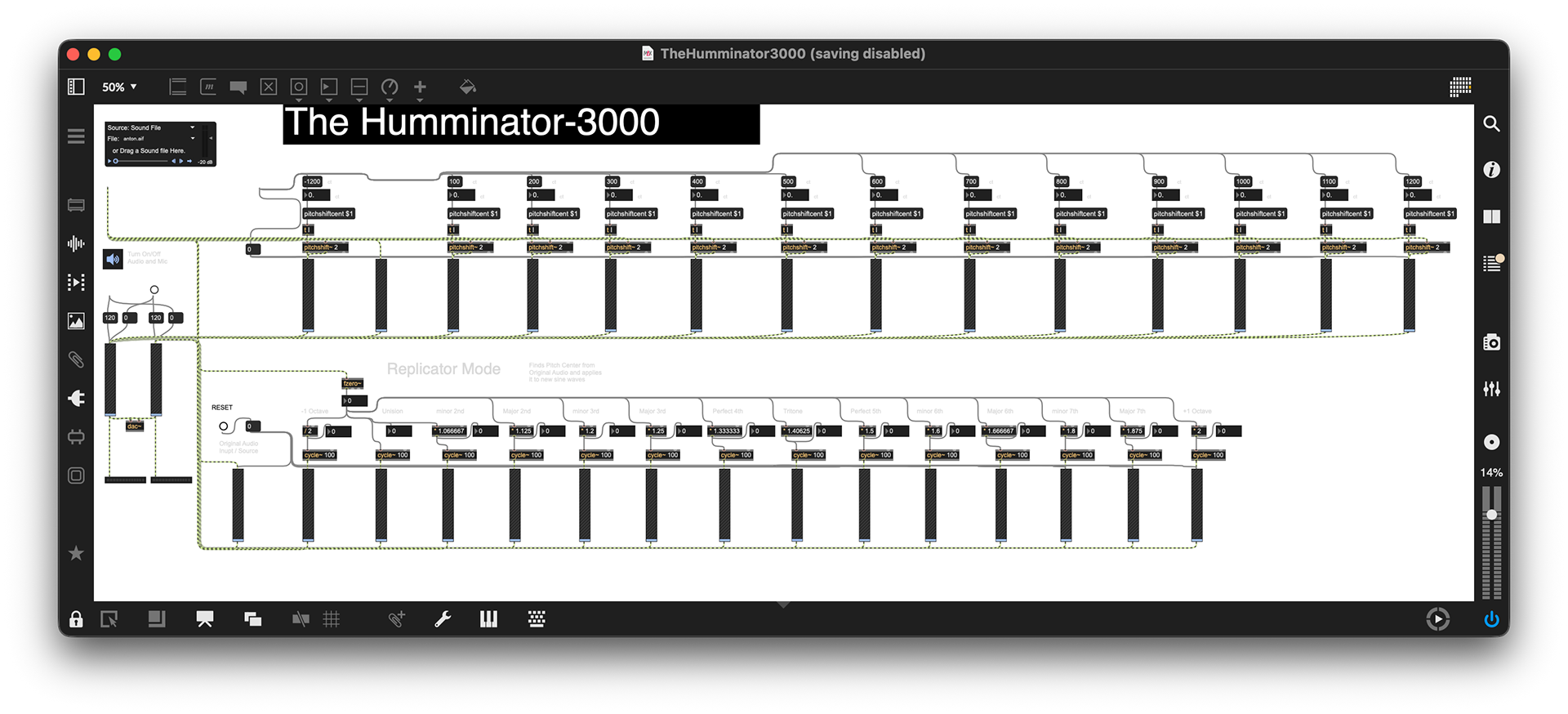
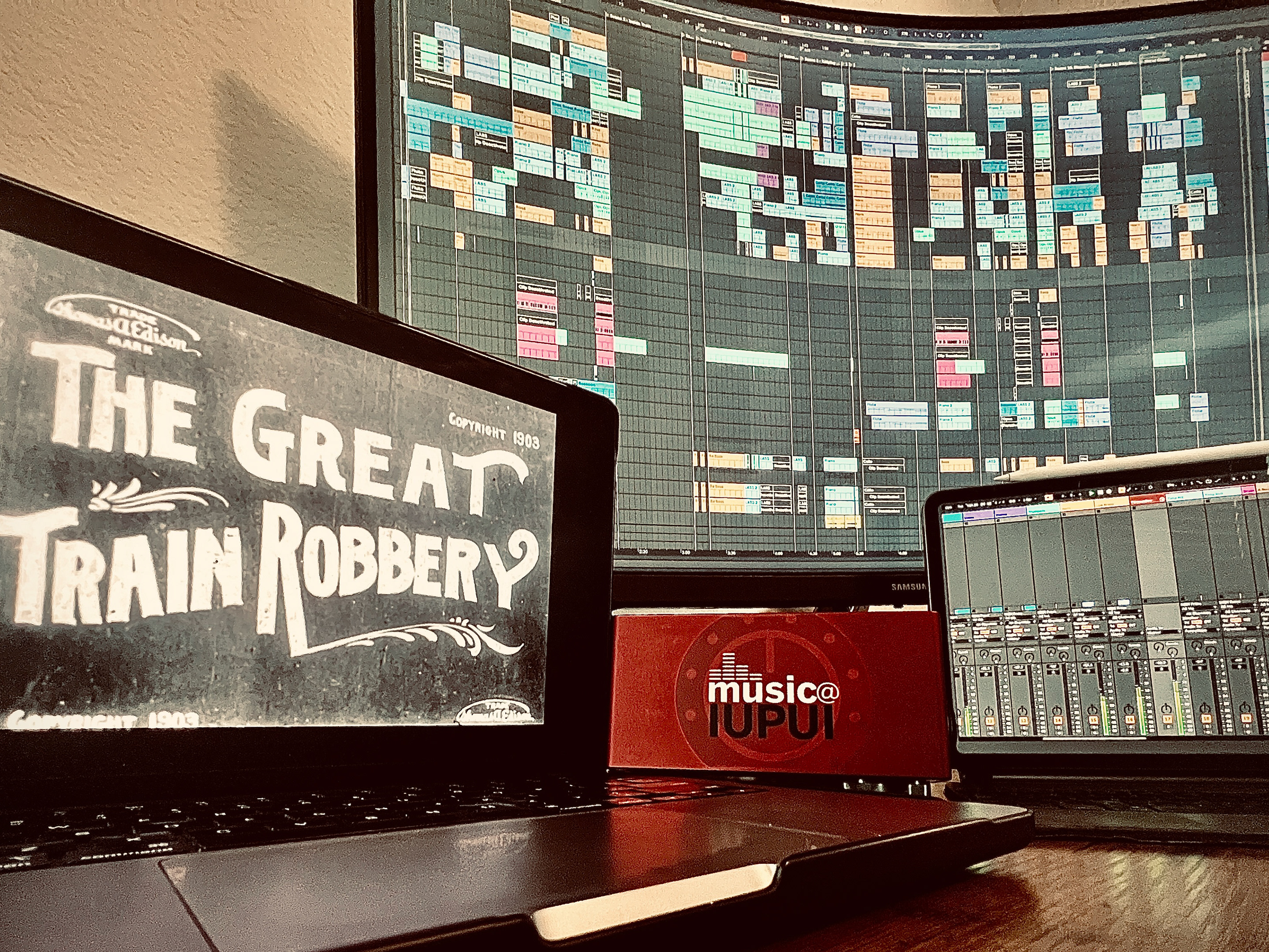
One of the earliest examples of this development can be seen in my first Honors Contract, the Humminator 3000, created in my Music Tech Lab I course with Dr. Michael Drews. This Max 8 patch used pitch detection and synthesis by translating vocal input into generated tones. While this project began as a creative idea, it required me to think through system design, signal processing, and implementation. Then, as I went through the program more, my work became more structured and purposeful. In my film scoring Honors contract for The Great Train Robbery under Dr. Jason Palamara, I went from creating standalone music to designing a complete audio system that had to be synchronized with a movie.
This project required a lot of knowledge of the film’s structure and meaning. Along with needing to plan out cue mapping and a real time performance that I had to execute using Ableton Live. rather than focusing only on composition, I had to consider timing, synchronization, and reliability in a live environment. My film scoring project shows that my work achieves the Honors College goal of developing strong problem-solving and communication skills, as I translated visual storytelling into structured musical decisions while solving technical challenges related to synchronization and performance.
My Honors experience was the most analytical and research-driven with my Music Technology capstone project on a saxophone microphone placement, completed under Dr. Robin Cox and Dr. Timothy Hsu. In this project, I conducted over 300 controlled recordings across 11 microphone positions and analyzed the results using frequency response tools, generating over 11 million data points. This allowed me to statistically describe the effects of the study instead of using the more commonly used subjective descriptions like “warm” or “bright.” My capstone project shows that my work achieves the Honors College goal of participating in engaged learning experiences, specifically through research and applied technical analysis. It also reflects the growing role of data-driven decision making in audio engineering, where measurable results can support creative choices.
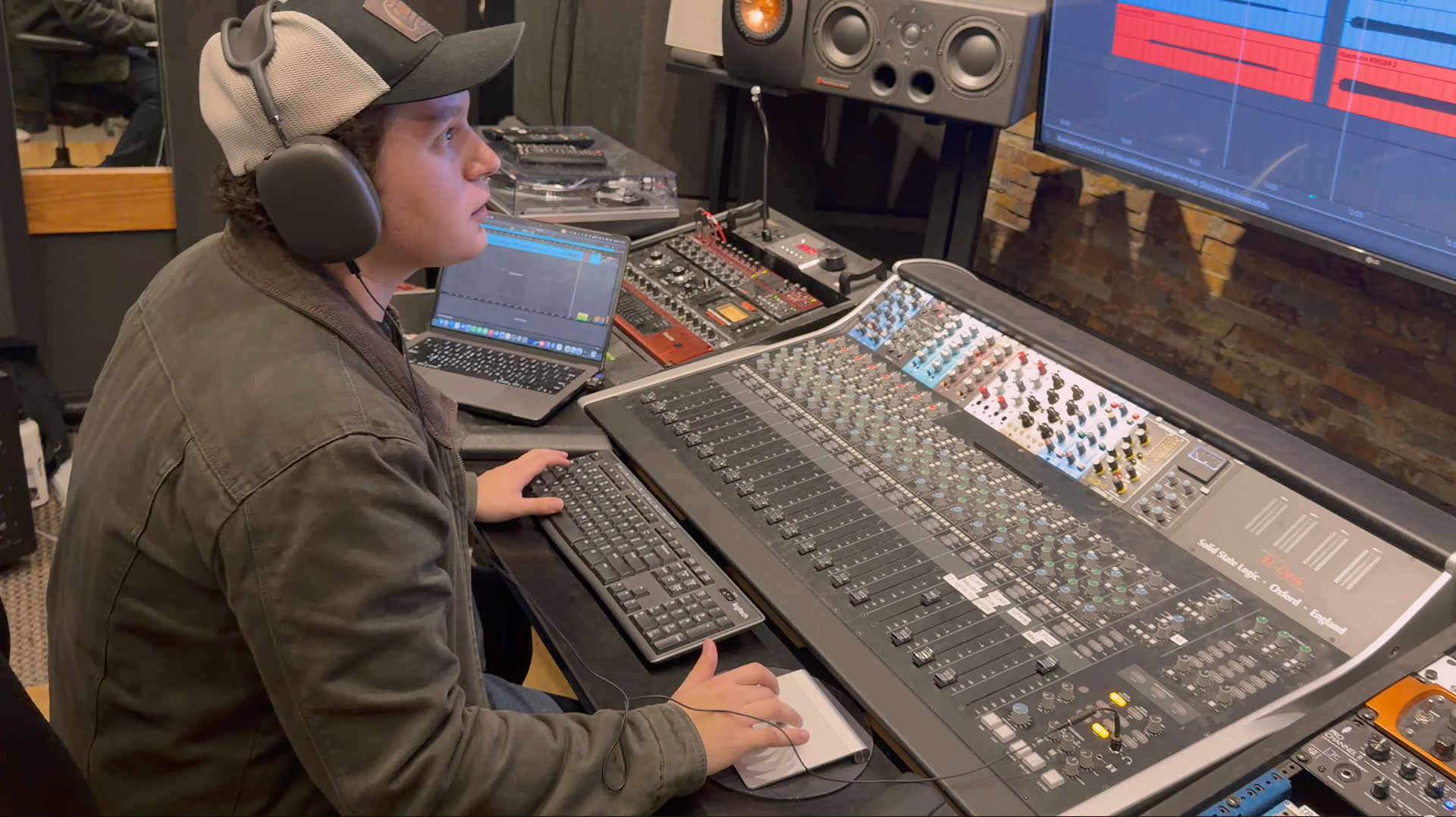
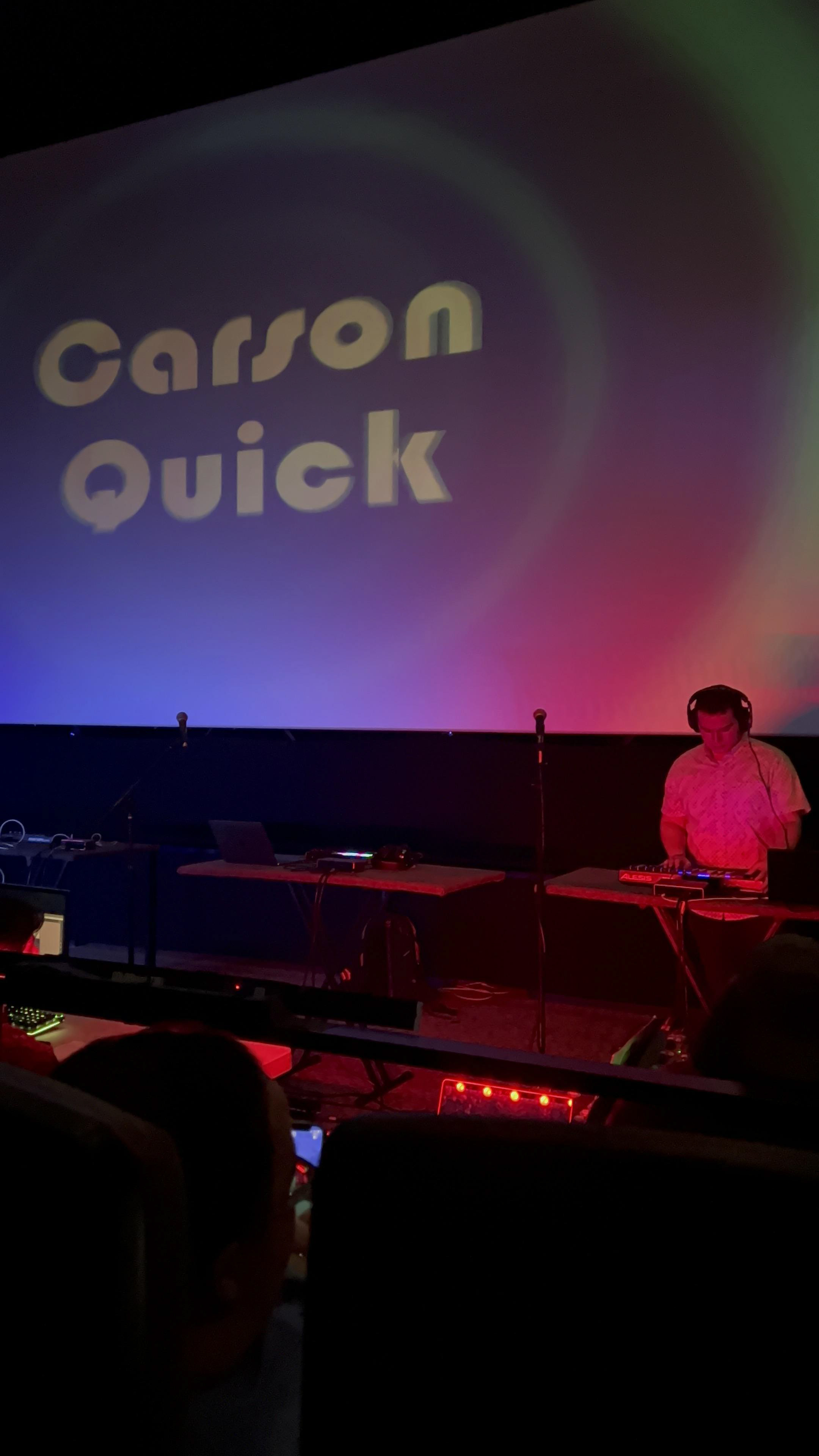
On top of technical development, this project improved my ability to communicate complex ideas. Through projects such as my YouTube content and technical demonstrations, I learned how to explain audio engineering concepts in a clear and accessible way. This aligns with the Honors College goal of developing strong communication skills, as I translated technical information into formats that could be understood by a broader audience. This skill is essential in my field, where engineers have to communicate with both technical and non-technical people.
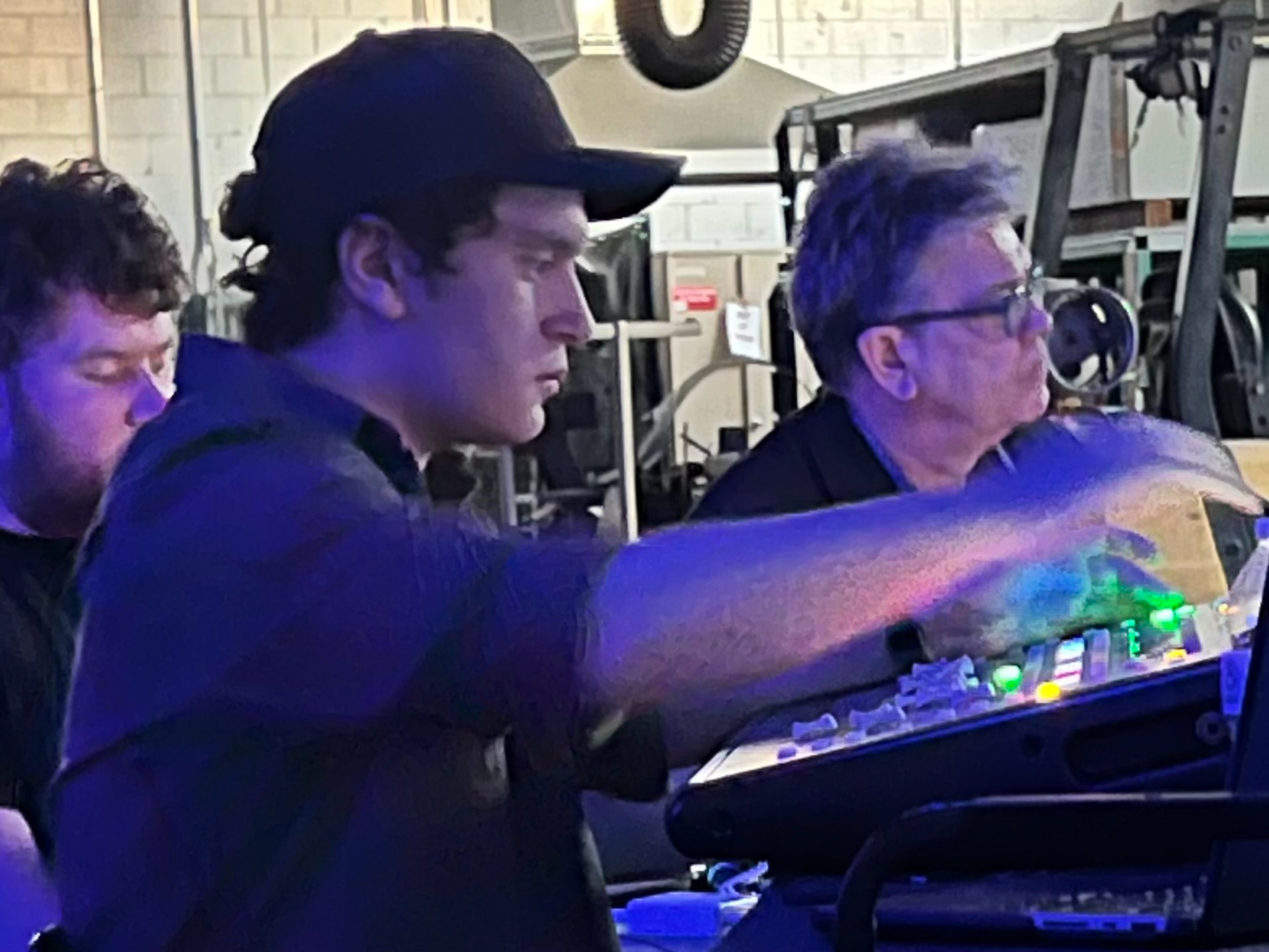
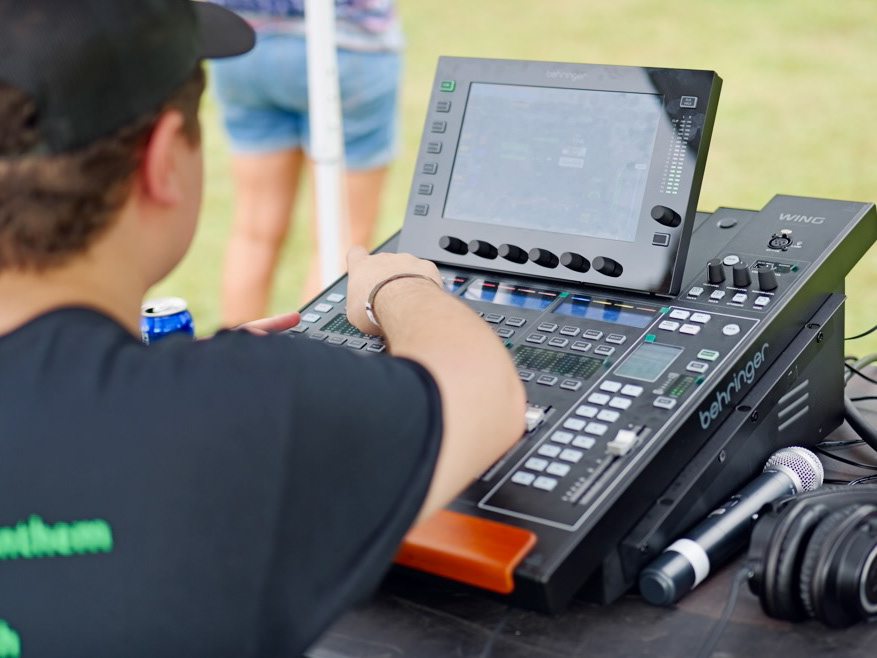
Looking back at all of my experiences, the most significant growth in my Honors journey has been the shift from creativity as an abstract idea to creativity as a structured and applied process. Earlier, I focused on generating ideas. But by the end of the program, I focused on designing systems, analyzing results, and delivering reliable outcomes in both academic and real-world environments. This shift is reflected across my honors contracts, my capstone research, and my applied work in live sound and audio production. These experiences connect to my expertise in live audio engineering and broadcast mixing as shown in my Showcase Artifact 3. My knowledge in acoustics and signal analysis combined with my experience in system design and real-time audio environments has prepared me to work in professional audio settings. Whether designing a live mix, analyzing recording techniques, or building audio-related systems, I now approach problems with both creativity and structure.
The Honors program played a big role in this development by encouraging me to pursue projects that went beyond traditional coursework. Instead of completing standard assignments, I was able to design projects that aligned with my interests and career goals. This flexibility allowed me to explore how music and technology merge in a way that was both personally meaningful and professionally relevant.
As I moved forward into my career, I am not just bringing creative ideas, but the ability to implement, analyze, and communicate them effectively. My Honors experience has prepared me to contribute to the field of audio engineering as both a creative and technical professional capable of adapting to complex challenges and delivering high-quality results.