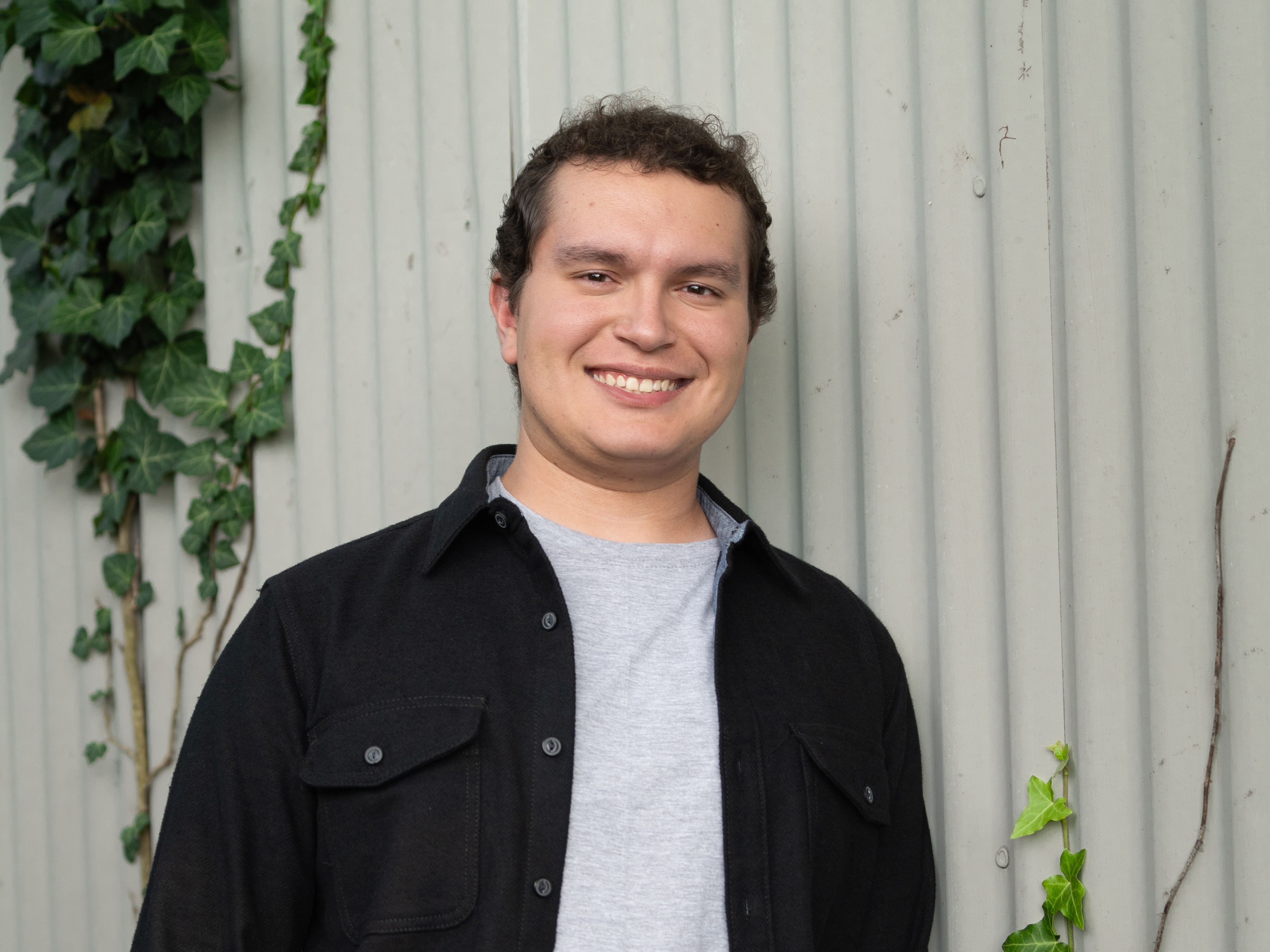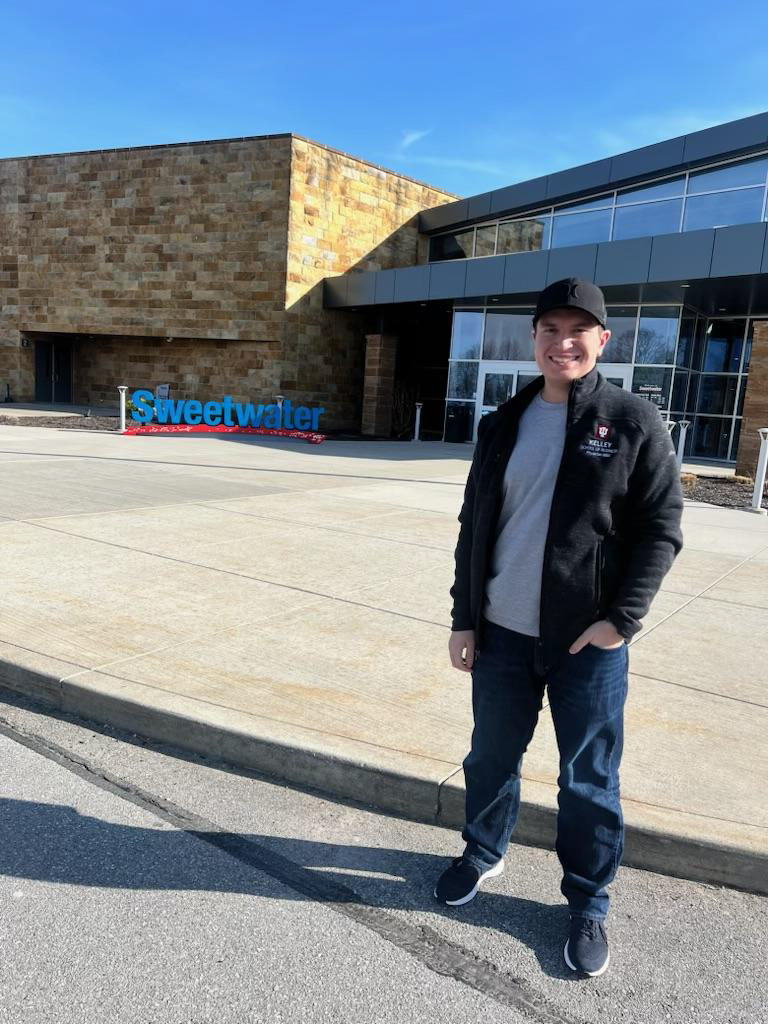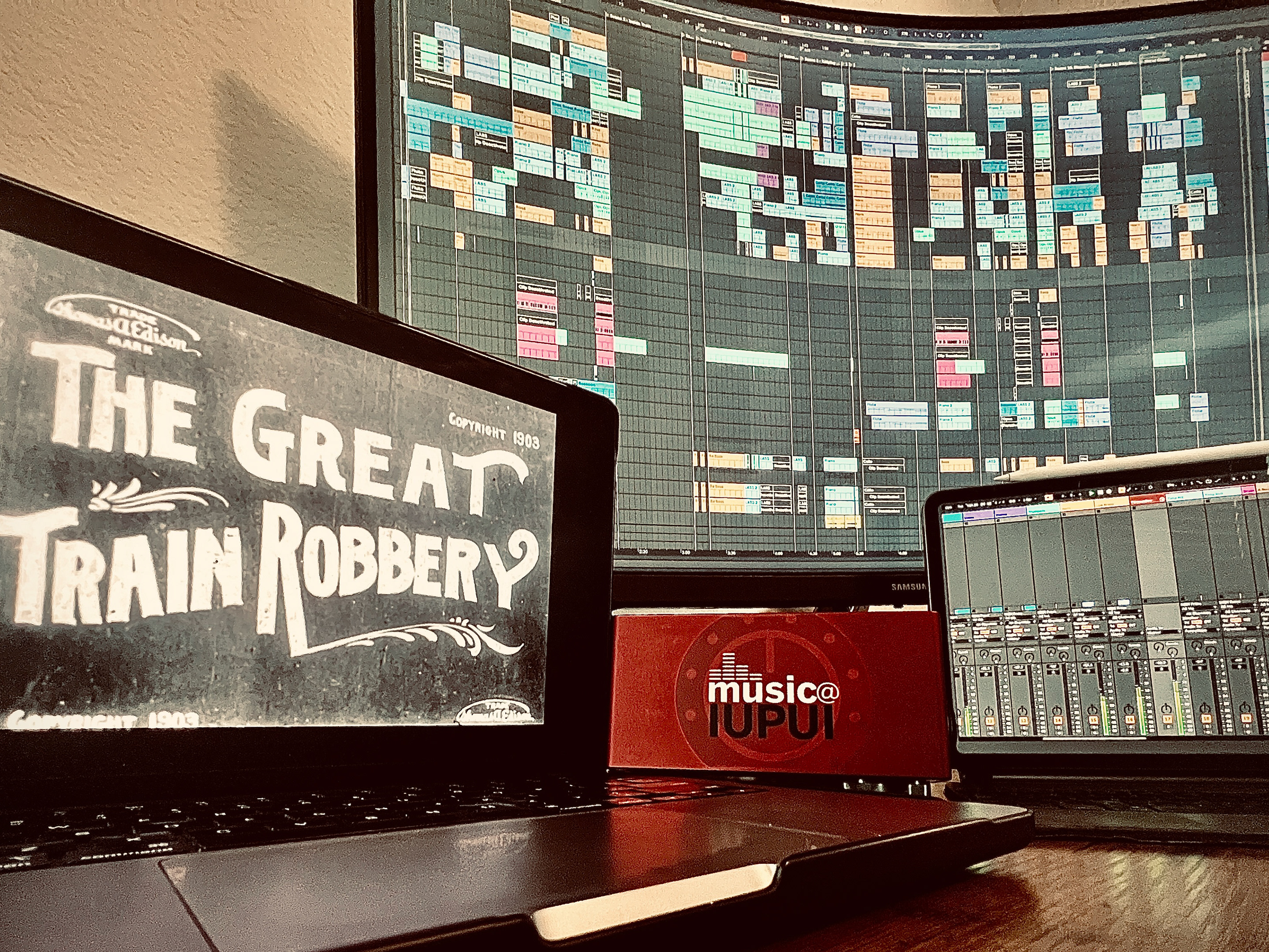
Throughout my time at Indiana University Indianapolis, I have developed an expertise in live audio engineering and broadcast mixing. As a Music Technology and Computer Science Student, I have built skills in analyzing sound, designing audio systems, and delivering high-quality mixes in both live and recorded environments.
The three experiences below show how I have developed this expertise through technical research, real-world application, and professional communication.
1. Alto Saxophone Microphone Placement Capstone
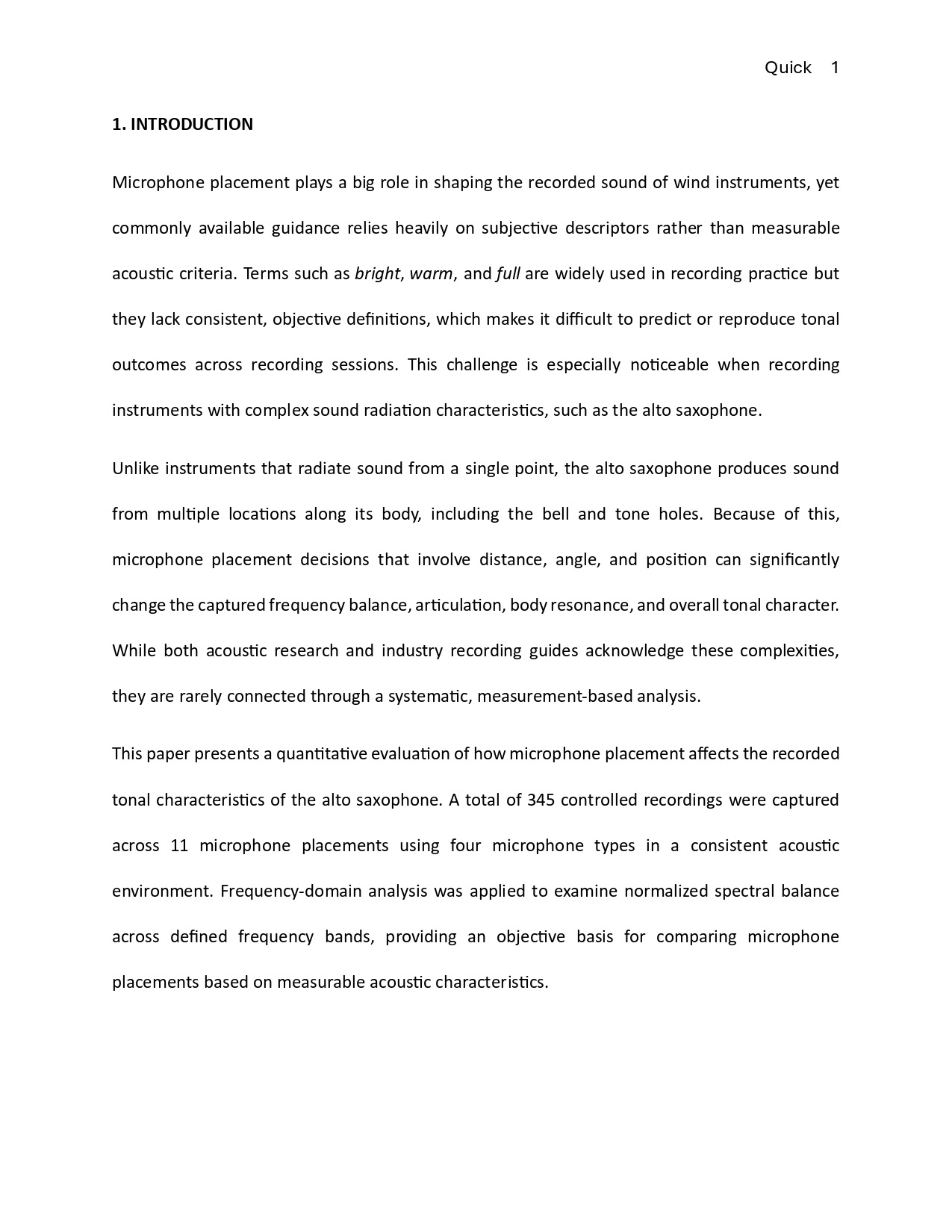
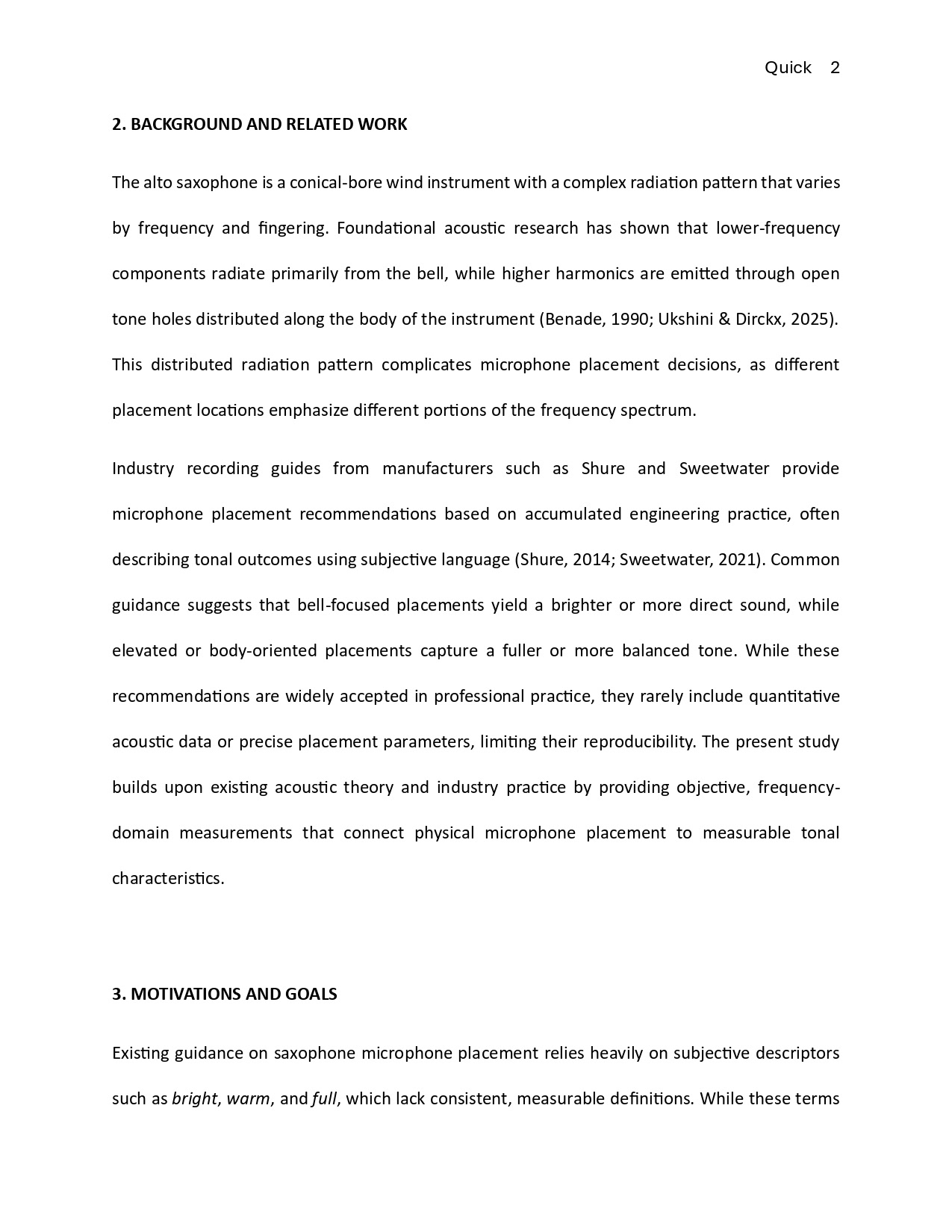
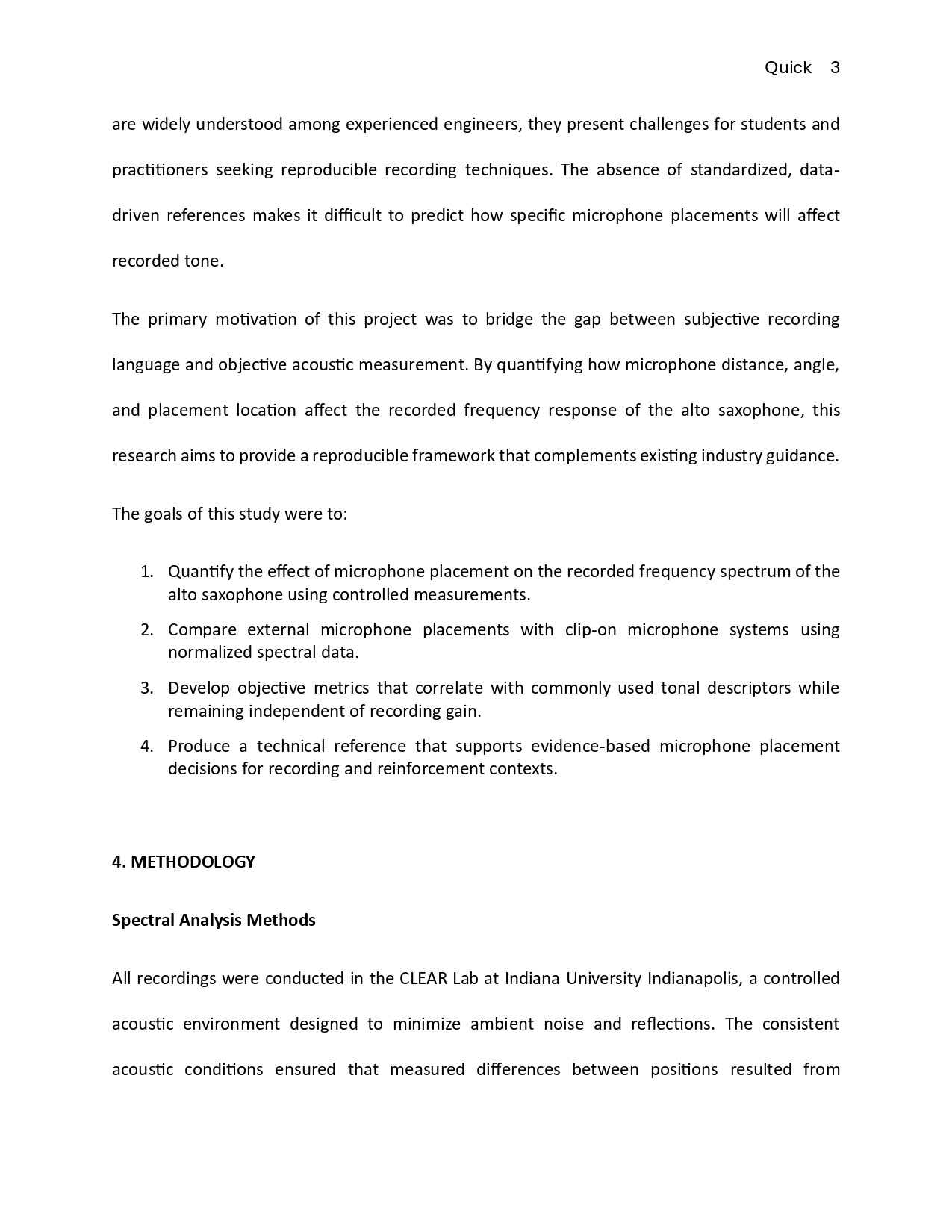
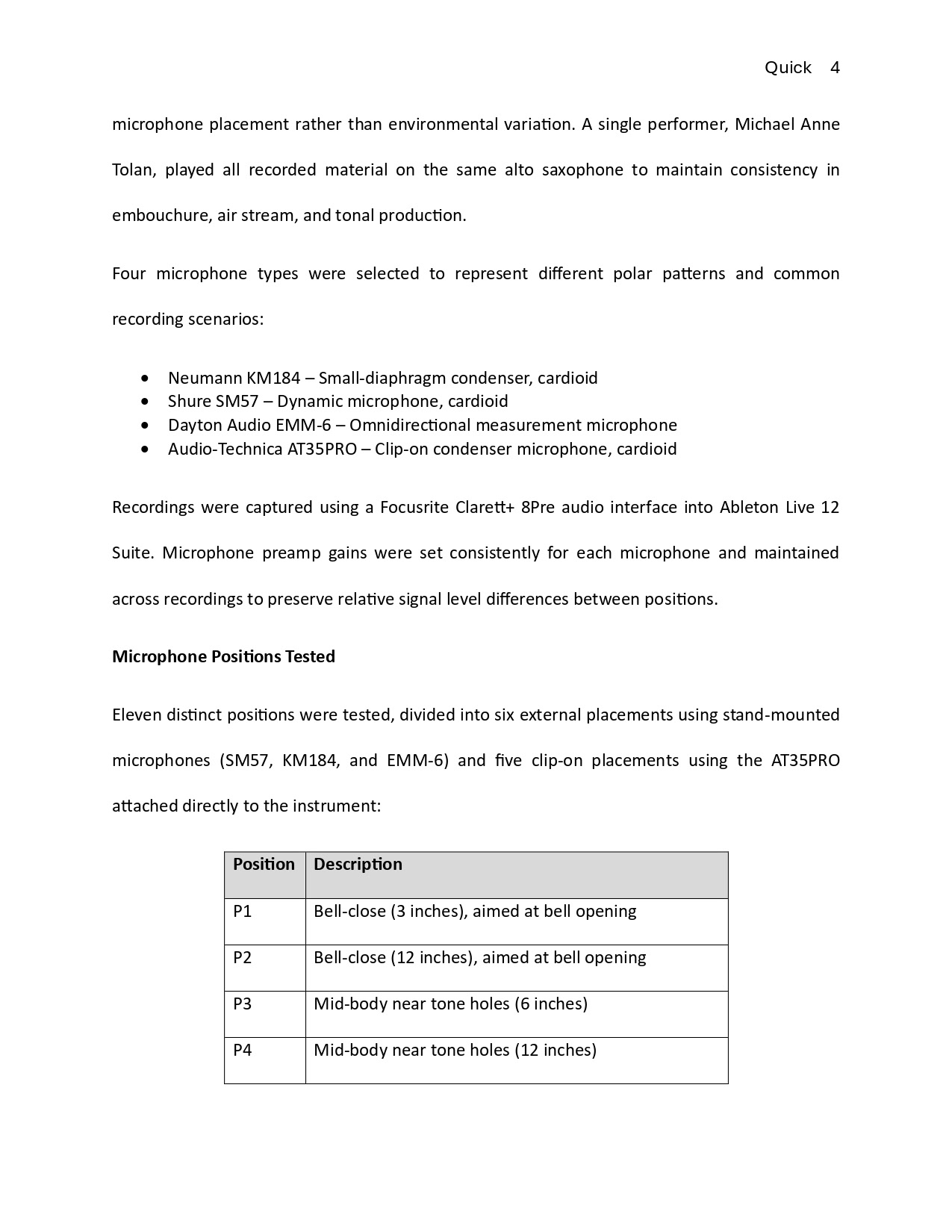
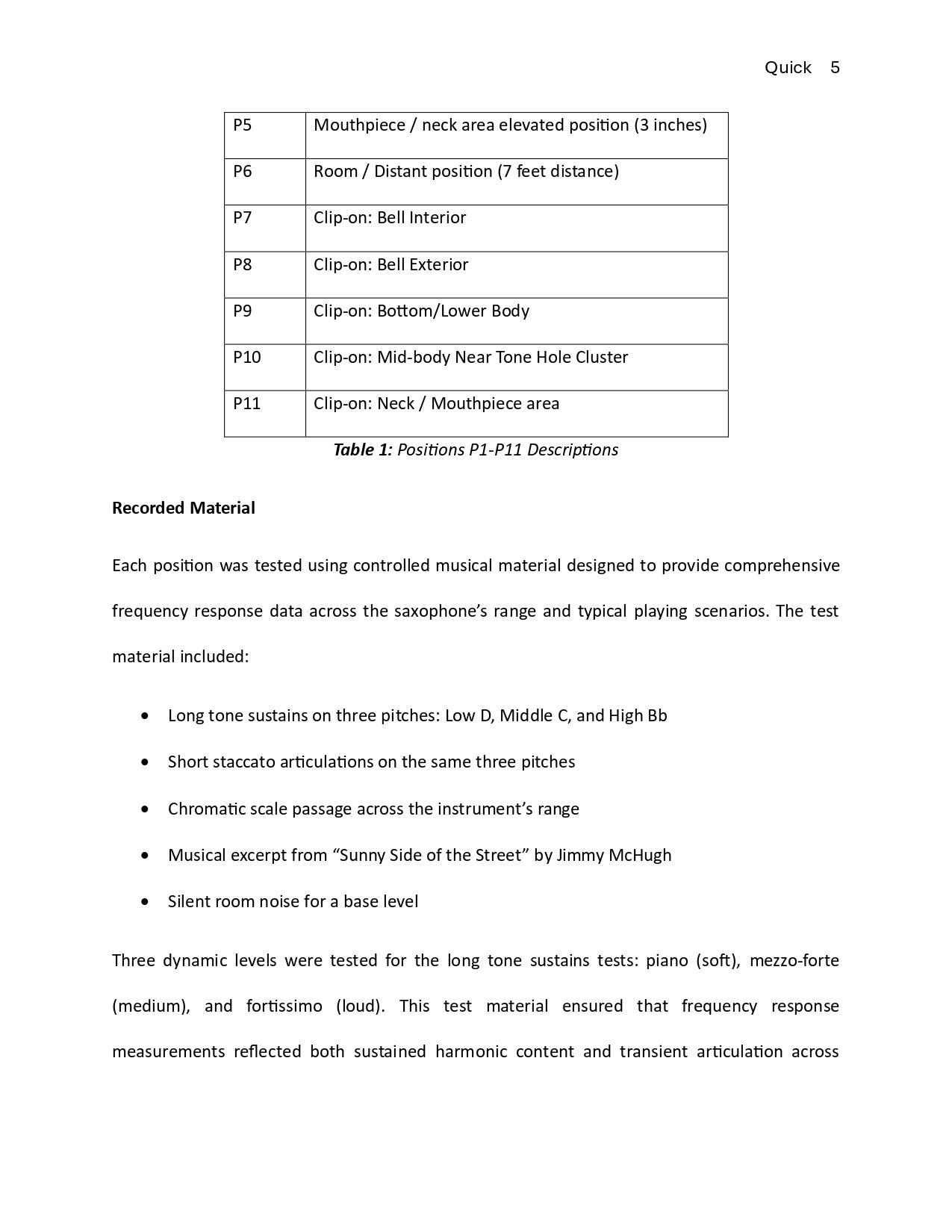
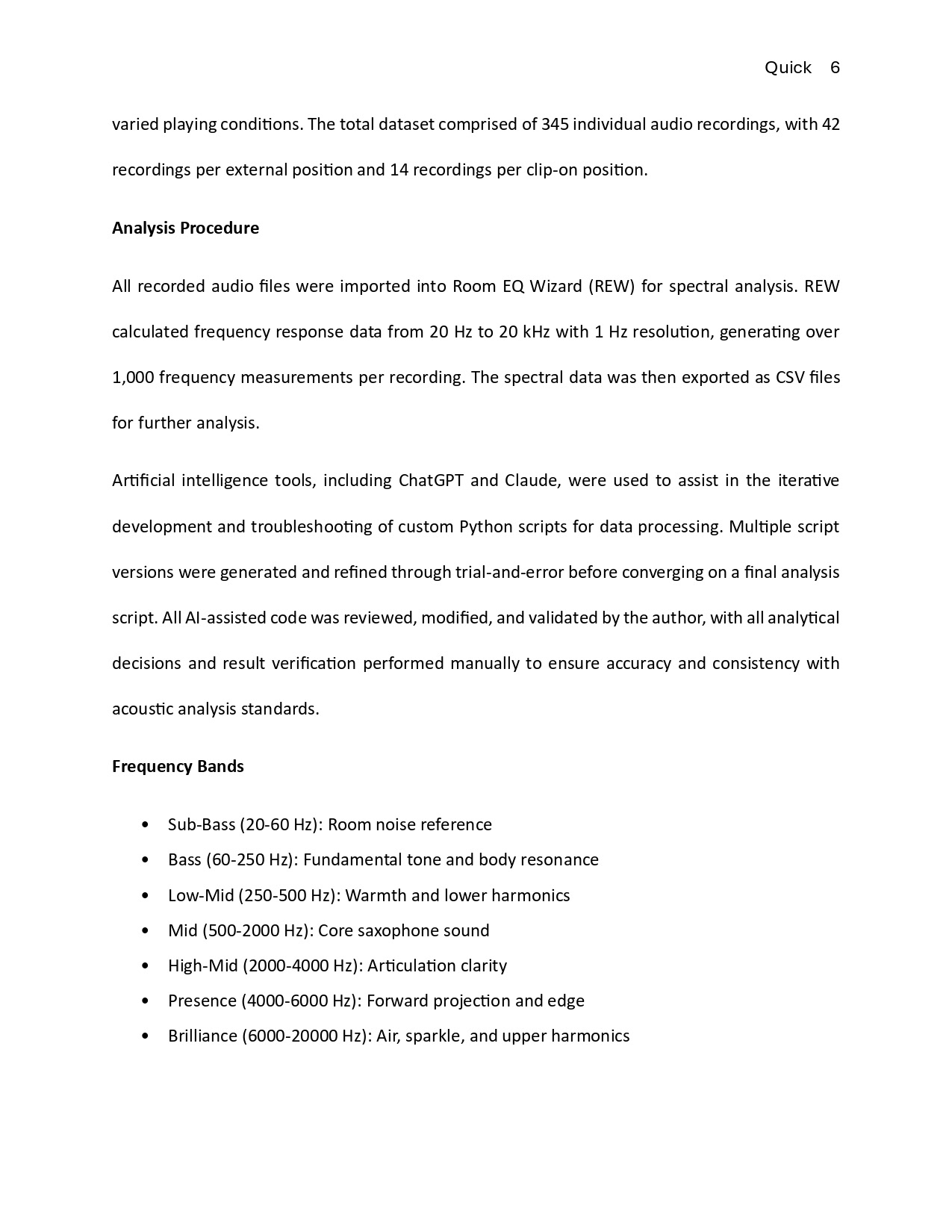
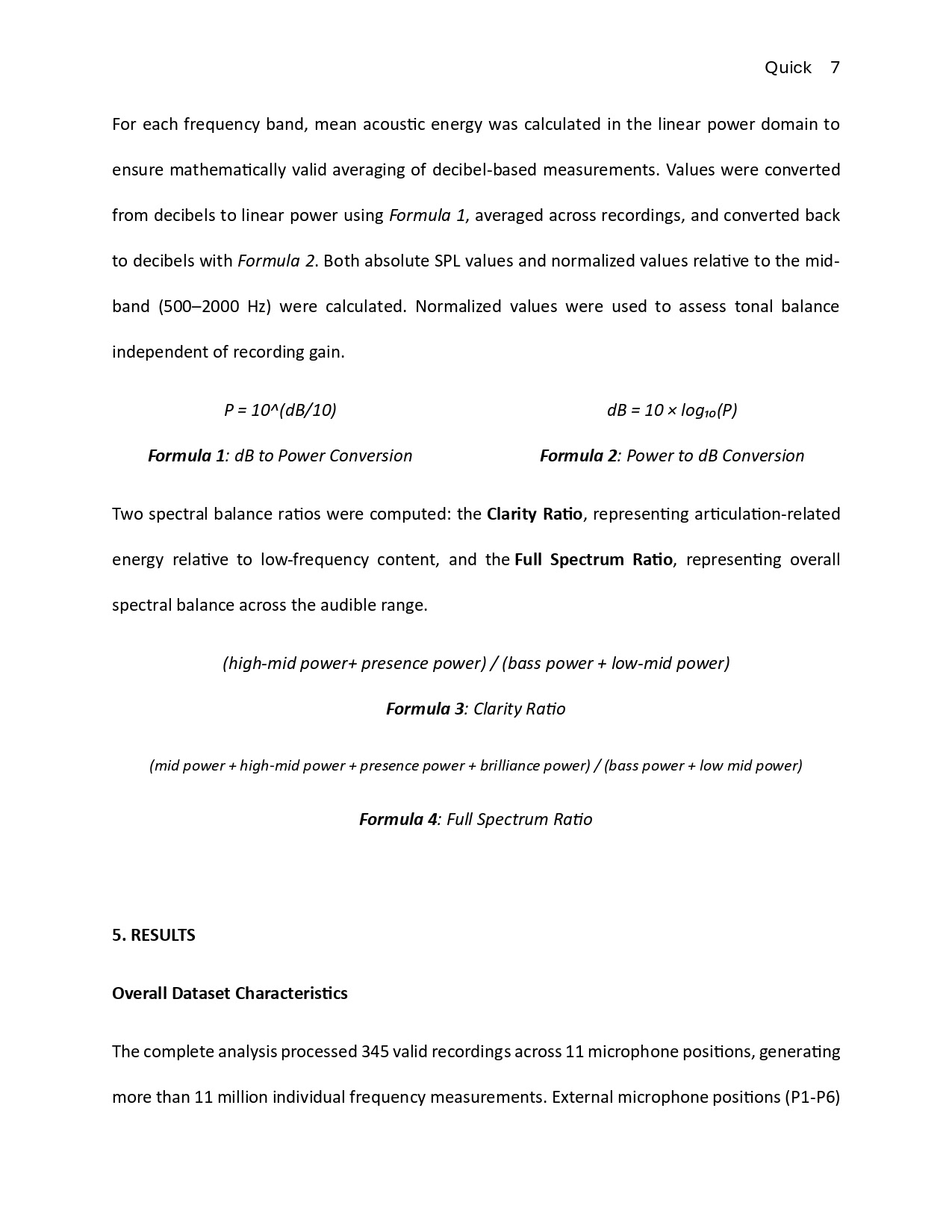
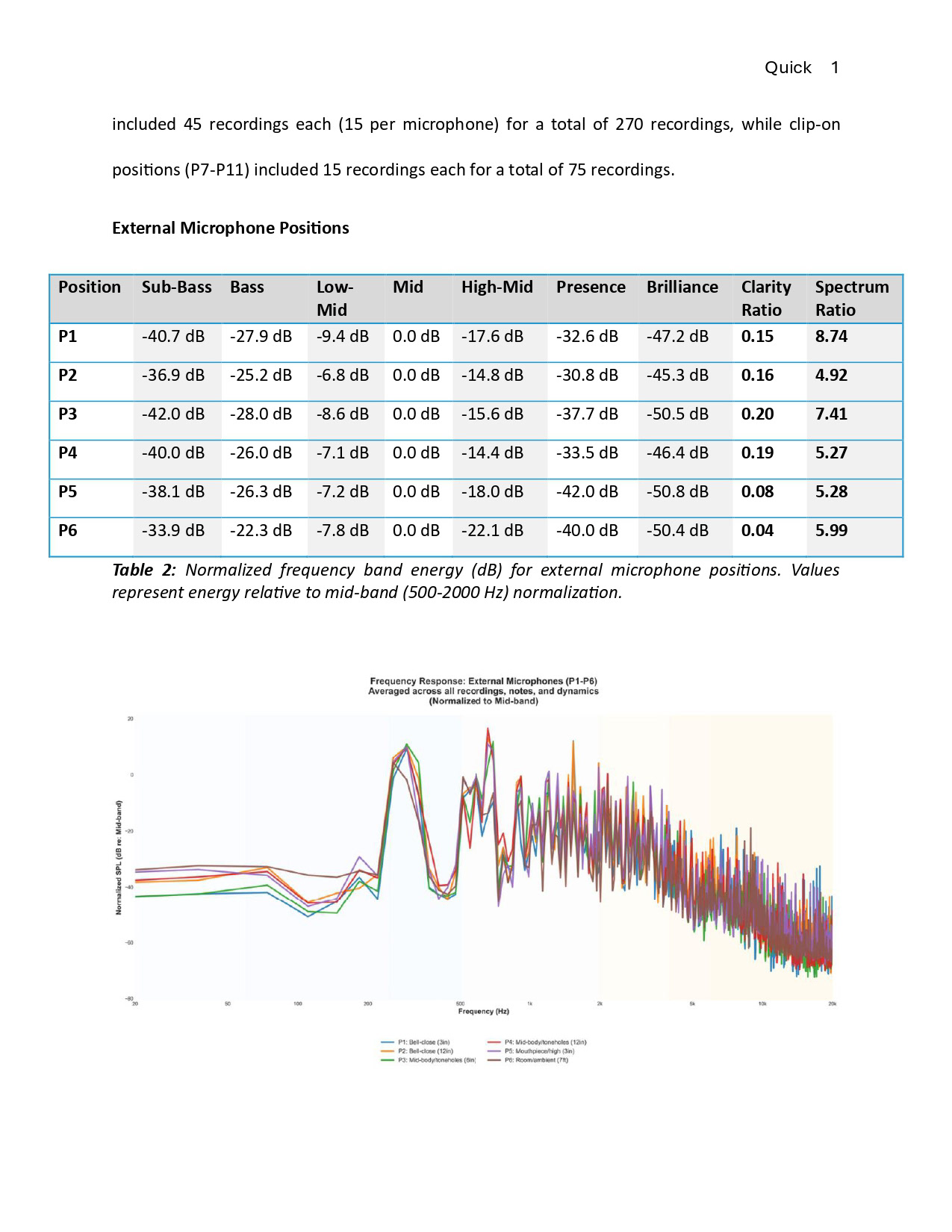
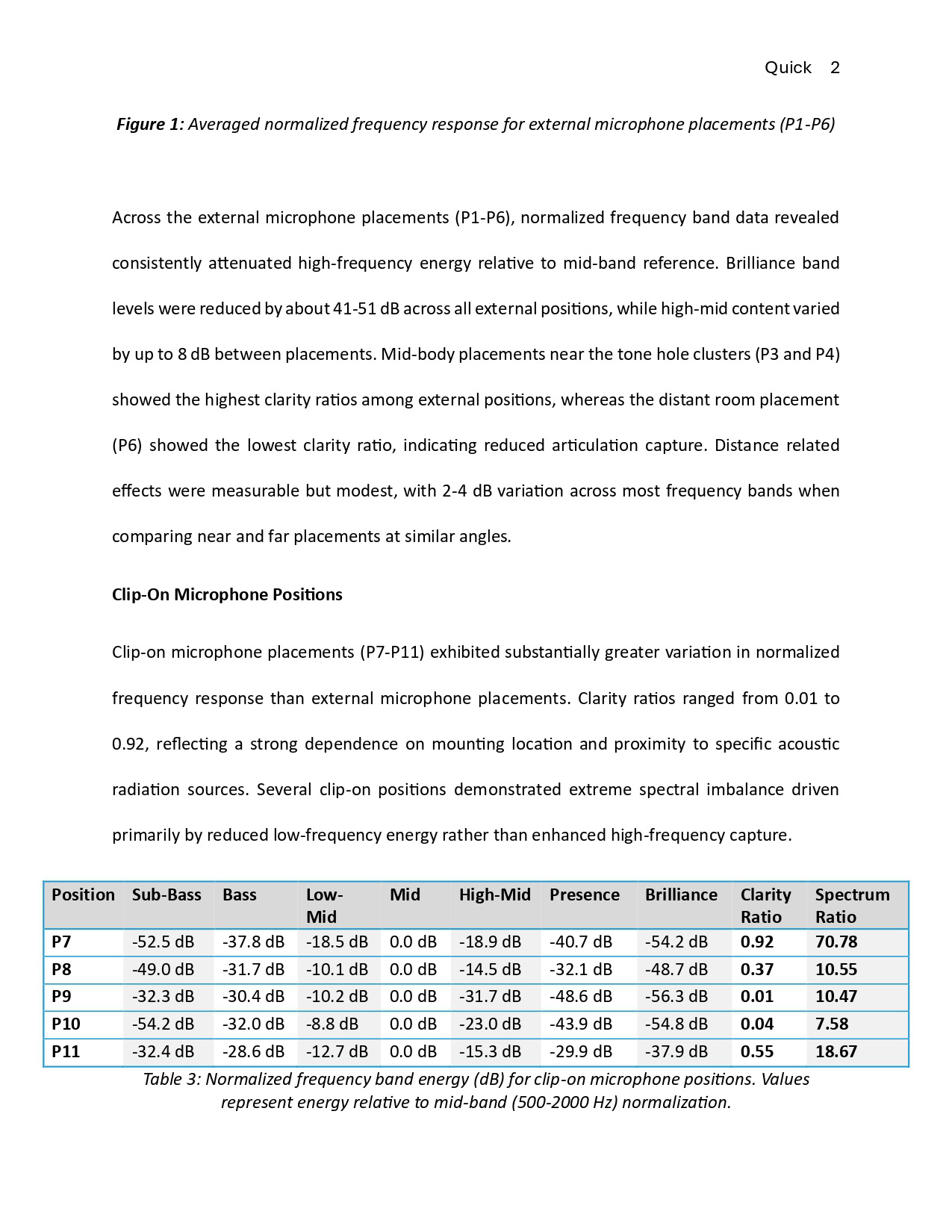
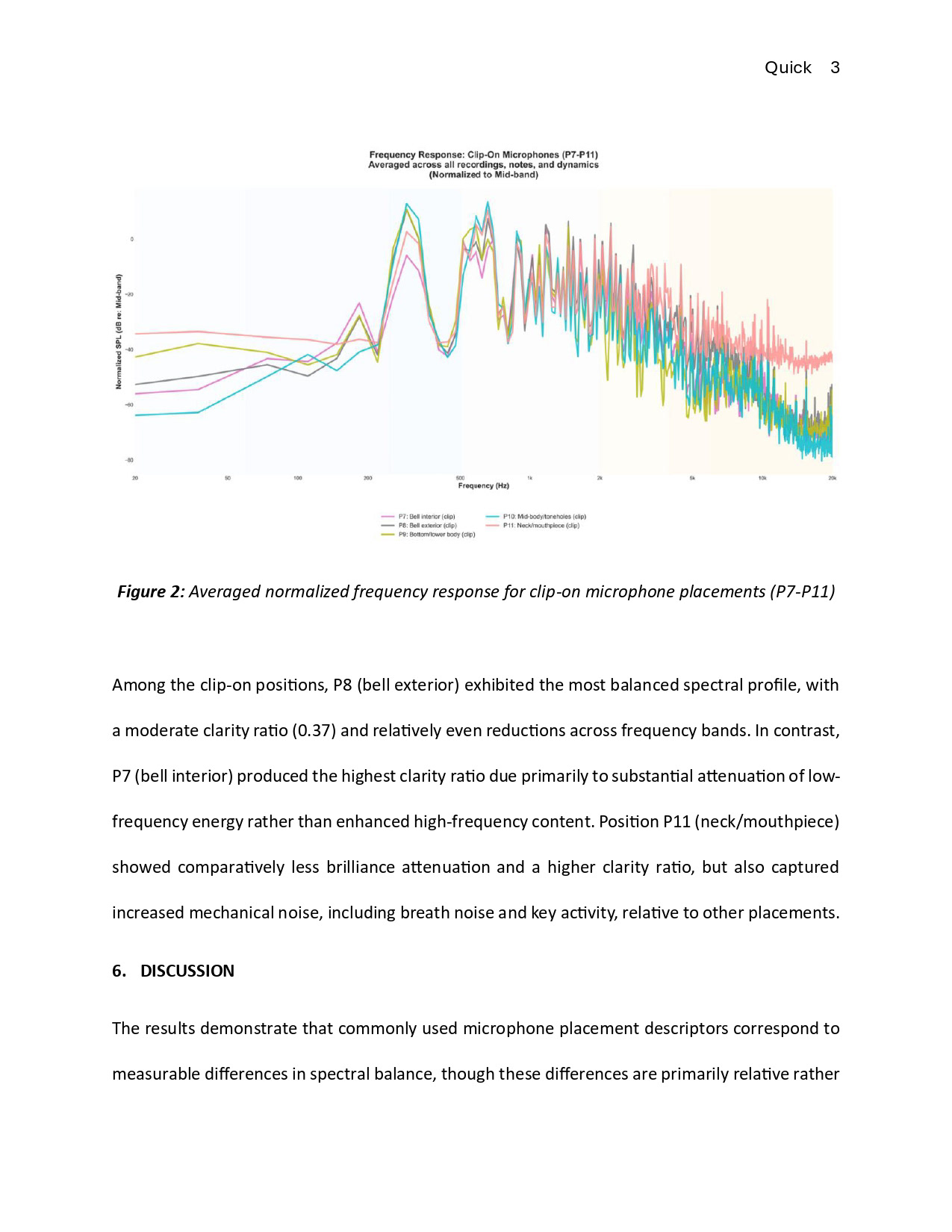
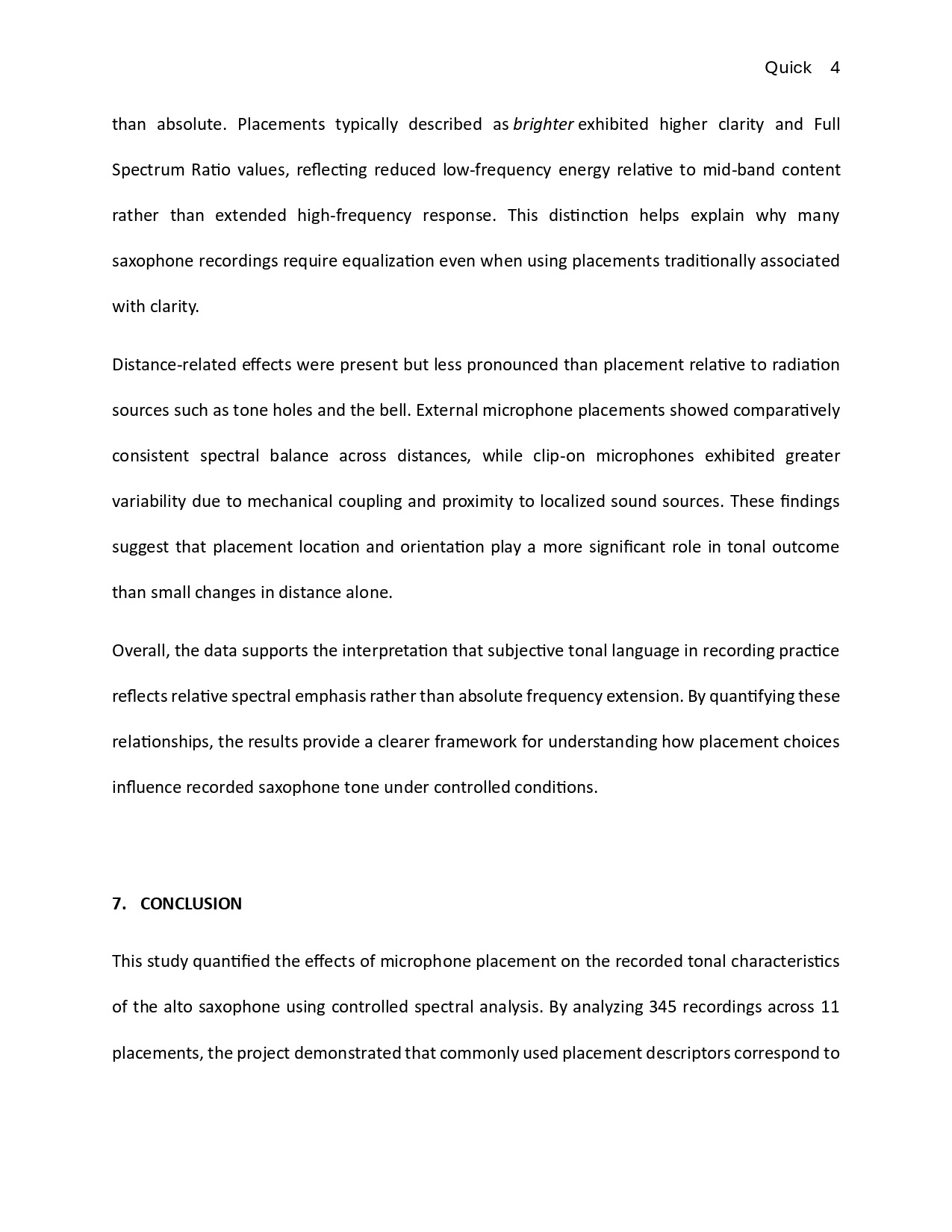

This Honors capstone project for my Music Technology major shows my ability to analyze and optimize audio capture using a data driven approach. The project was inspired by a gap I experienced as a musician. And that is understanding how to play an instrument, but not fully understanding how to record it effectively.
To explore this, I conducted over 300 controlled recordings across 11 microphone positions using multiple microphones. I then analyzed the recordings using frequency response tools, generating over 11 million data points to measure how placement affects tonal balance across seven frequency bands.
This experience help me better understand the acoustics of the saxophone, microphone behavior, and critical listening. While also allowing me to translate complex technical data into practical recording recommendations.
To learn more about this study, you can view my dedicated research page that covers it in more detail and includes links to the different research papers, guides, and videos.
2. Live Sound & Streaming
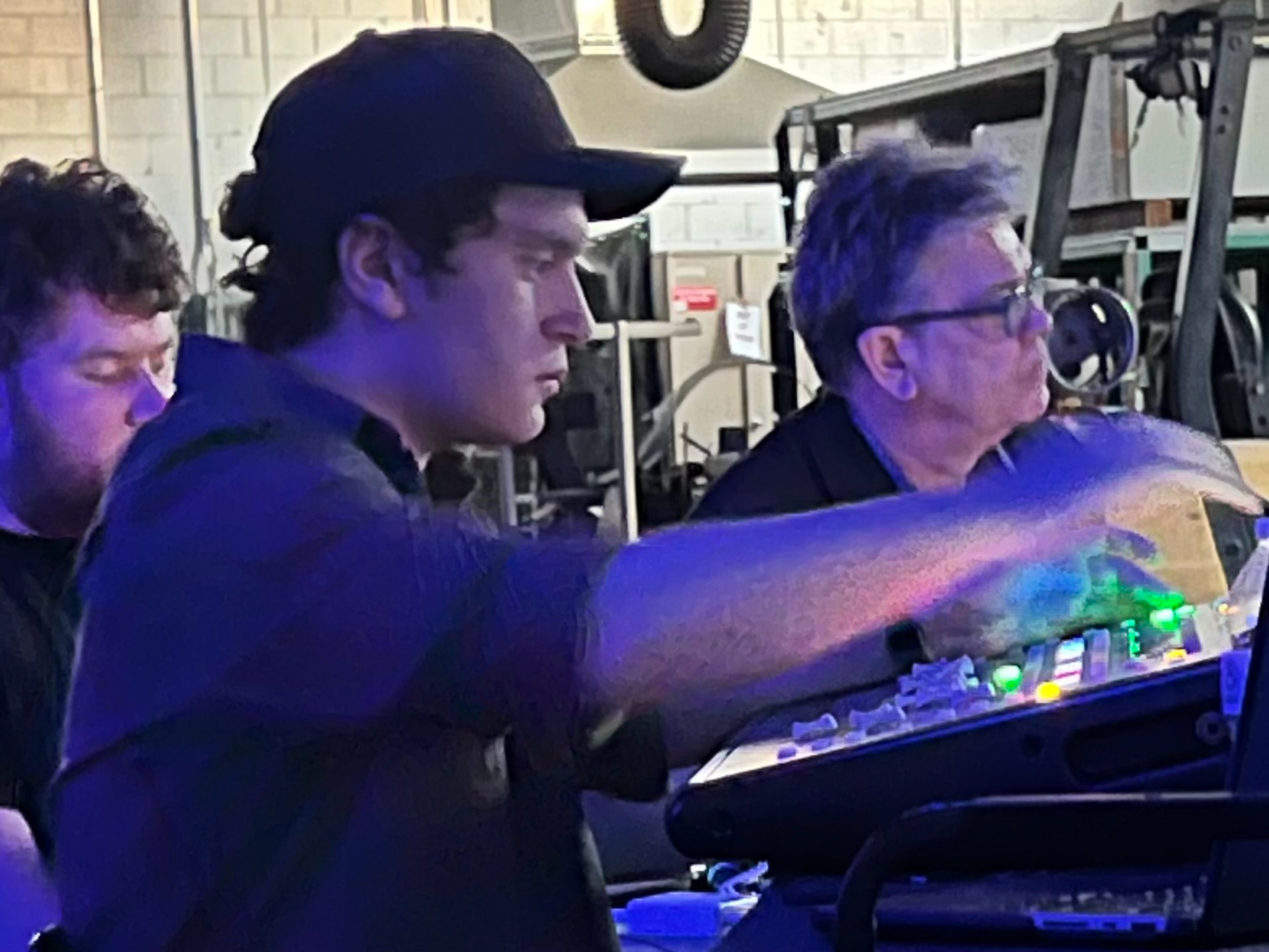
Through my live sound work, I have managed complex audio systems using digital consoles like the Behringer WING and X32. My responsibilities usually include routing signals, mixing for both in-person audiences and live streams, and maintaining clarity in dynamic, high-pressure environments.
This experience shows my ability to apply technical knowledge in real-world situations, particularly in system design, signal flow, and broadcast audio optimization.
3. Audio Content Creation
Through my YouTube and other social media content, I have worked to communicate complex audio concepts and my personal experiences in a clear way. This included explaining microphone placement techniques, showing my whole process of setting up and running a live event, and showcasing my mixing first hand.
This process has improved my ability to break down technical information and make it more accessible, with showcases both my communication skills and my understanding of audio engineering concepts.
Reflecting on My Experiences
The experiences in this showcase highlight how I have developed my expertise in live audio engineering and broadcast mixing through a mixture of research, real-world application, and communication. My Honors capstone project gave me a strong technical foundation by allowing me to analyze how microphone placement affects sound using measurable data instead of just subjective descriptions. This helped me better understand the relationship between acoustics, microphone behavior, and tonal balance.
At the same time, my live sound and streaming work allowed me to apply that knowledge in real-world environments and situations. Working with digital consoles and managing both in-person and broadcast mixes required quick decision making and a good understanding of signal flow and system design. These experiences helped me learn how to adapt to different situations while maintaining consistent audio quality.
Finally, my work in content creation helped me refine my ability to communicate technical concepts clearly. By explaining audio techniques and sharing my process, i not only helped others understand these ideas, but also help reinforce my own knowledge.
Together, these experiences show how I have grown from simply working with audio to understanding it on a deeper technical level, while also being able to apply and communicate that knowledge in professional settings.