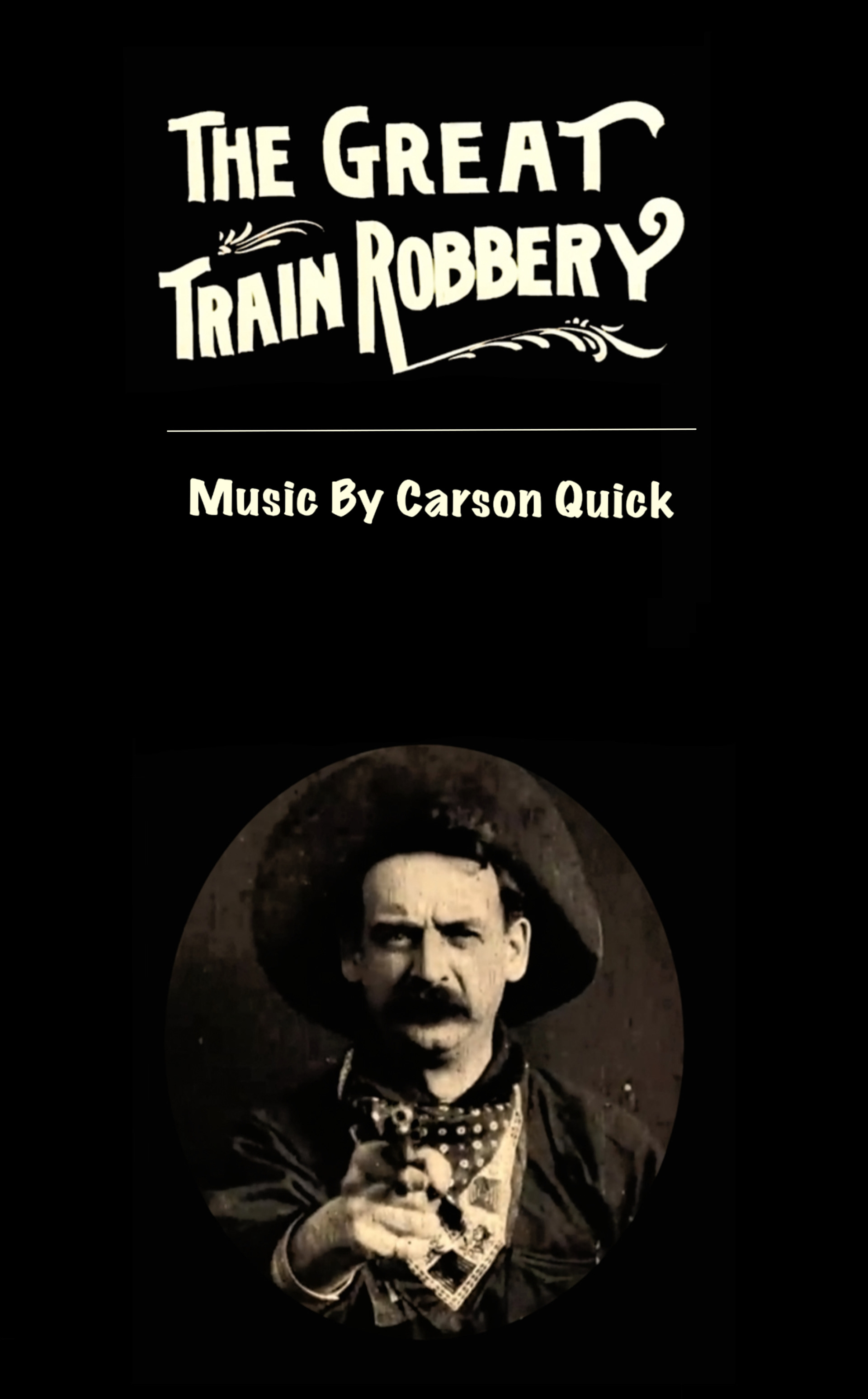
When completing MUS-A200, I chose to design my Honors contract around a full-length film scoring project. Rather than submitting a traditional written assignment, I composed and performed an original synchronized score for the 1903 silent film The Great Train Robbery.
This project required me to analyze early cinematic storytelling, design a structured musical framework around visual pacing, and engineer a live performance system that allowed the score to remain synchronized with the film in real time.
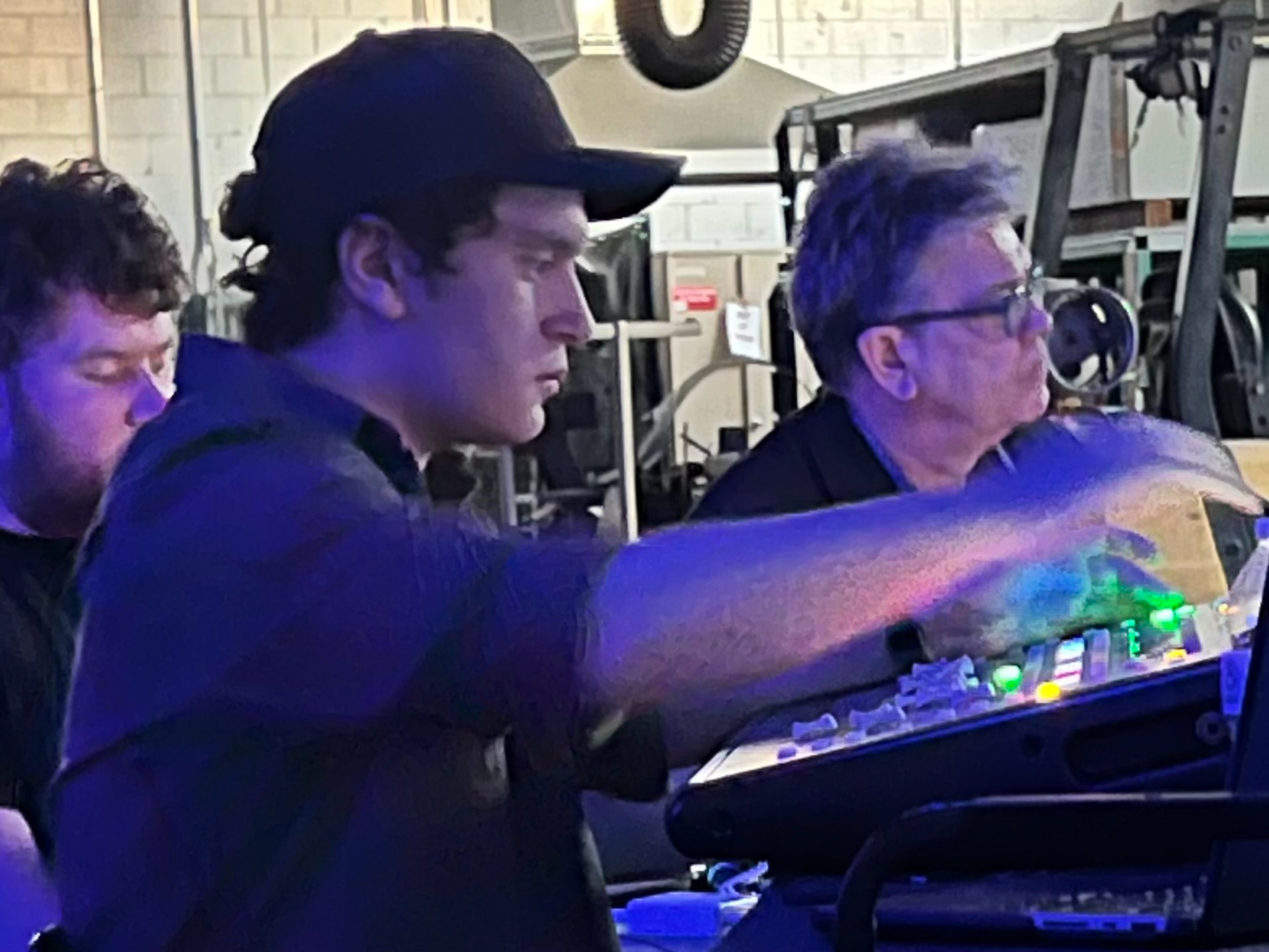
The final result was performed live in a theater-style setting, where I executed the score while the film played. This experience combined composition, technical system design, and live performance under pressure.
Artifacts Included
- Full film with my synchronized score
- Interlaced performance video (live footage + film composite)
Project Development & Technical Process
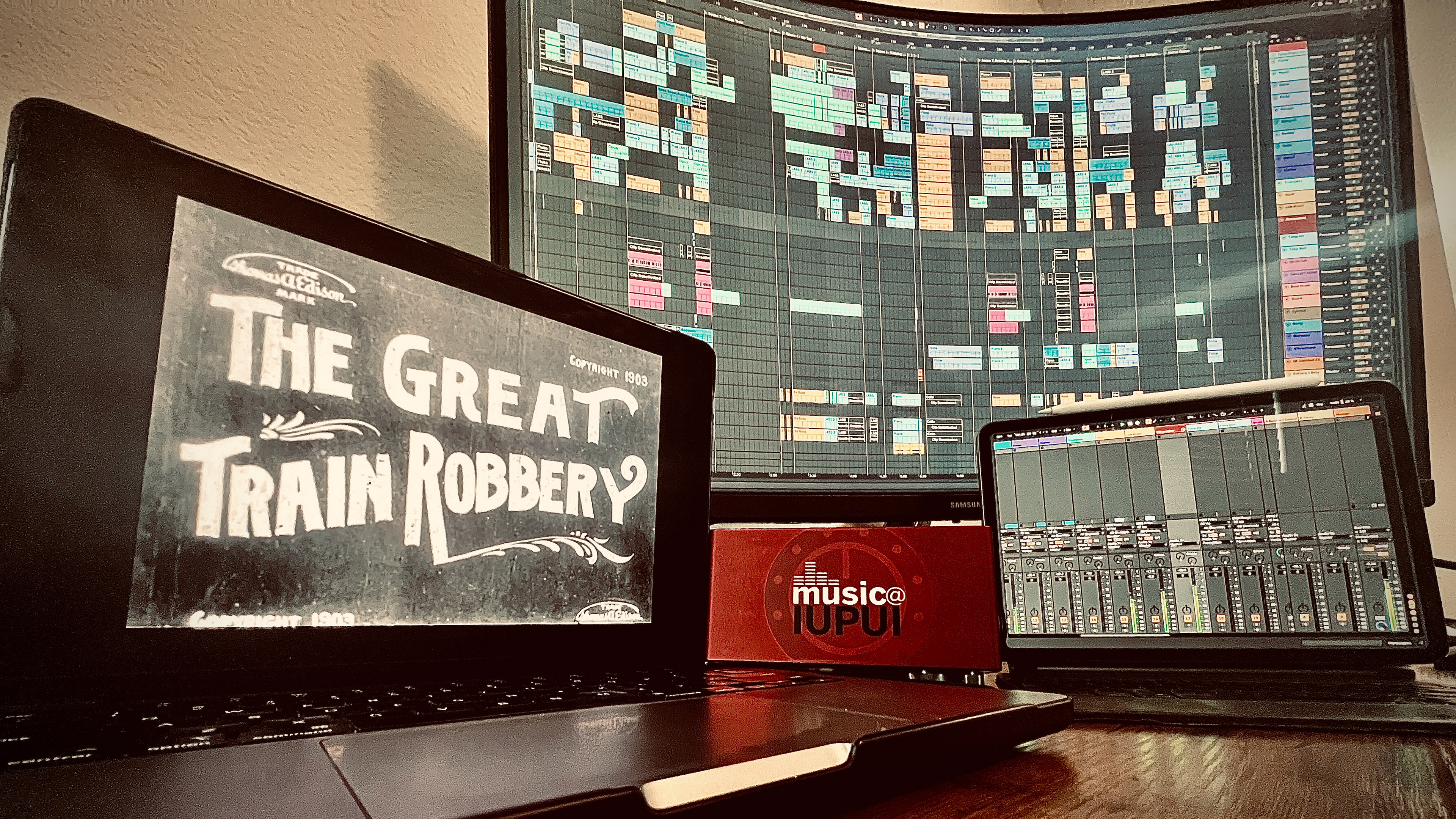
Scoring a silent film required more than composing background music. The first stage involved structural analysis. I broke the film into defined sections based on pacing, tension, and scene transitions. I mapped visual cue points to tempo grids and established internal markers to maintain alignment throughout the 12-minute runtime. Each musical theme was developed to reinforce character movement, conflict, and narrative shifts.
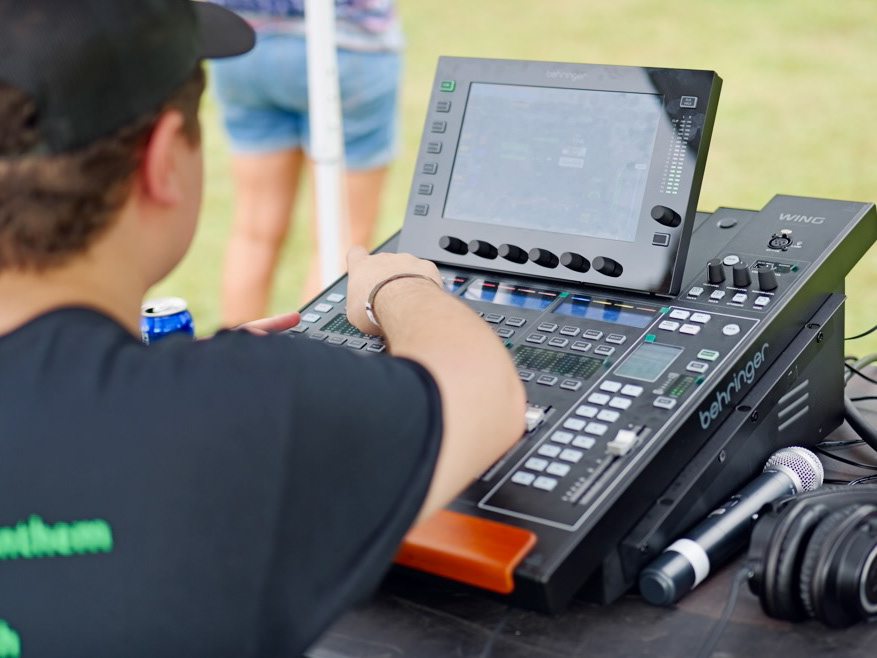
Using Ableton Live 11, I built a structured session that allowed for tempo automation and controlled transitions. I programmed orchestral MIDI layers, balanced dynamics for clarity, and designed transitions to avoid masking key visual moments. Synchronization required careful timing control and repeated rehearsal to prevent drift during live performance. Because this was performed in real time, I had to maintain internal tempo stability while visually tracking film landmarks. This required focus, repetition, and technical consistency.
Skills Developed
This project strengthened several transferable skills:
- Cinematic structural analysis and cue mapping
- Real-time synchronization and timing discipline
- DAW session organization and automation design
- Orchestration and dynamic balancing
- Live performance execution under pressure
- Systems-level thinking across creative and technical domains
- Beyond composition, this experience reinforced the importance of preparation, rehearsal strategy, and performance reliability.
Reflection on Growth
When I began studying Music Technology, my focus was primarily on writing music. Through projects like this Honors contract, my perspective expanded.
I began to understand that professional composition is not only creative expression, but it is structured problem-solving. Every cue must support pacing. Every transition must serve narrative clarity. Every technical system must function without failure.
This project reflects my shift from creating music independently to designing integrated audio systems that operate in sync with visual media.
As I approach graduation, this artifact demonstrates my ability to merge creativity with structure and execute complex multimedia projects in a live setting. It marks a clear progression from exploration to professional application within the Honors Program.